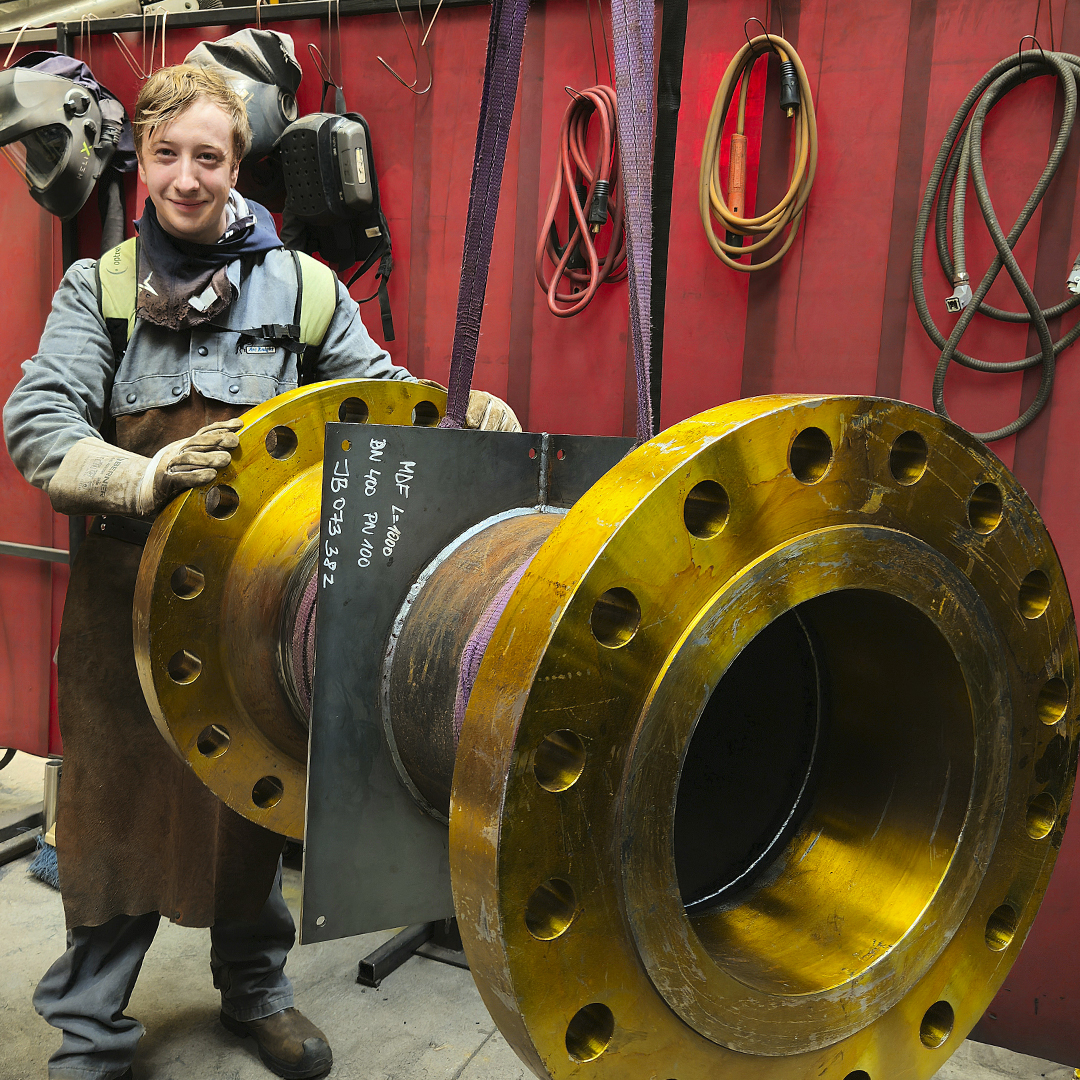
Welder Jan Lipiński Reviews Weldas Gear in Extreme Conditions
Extreme Conditions, Laser Welding & Weldas Gear
We recently sat down for an in-depth interview with a true professional who welds heavy pipelines and hydraulic systems. Jan Lipiński shared his inspiring story, his experiences working in extreme conditions—from blazing Italian summers to freezing at -20°C on the Poland-Lithuania gas pipeline—and his honest thoughts on what makes welding gear truly reliable.
How did your adventure with welding begin and what do you like most about this profession?
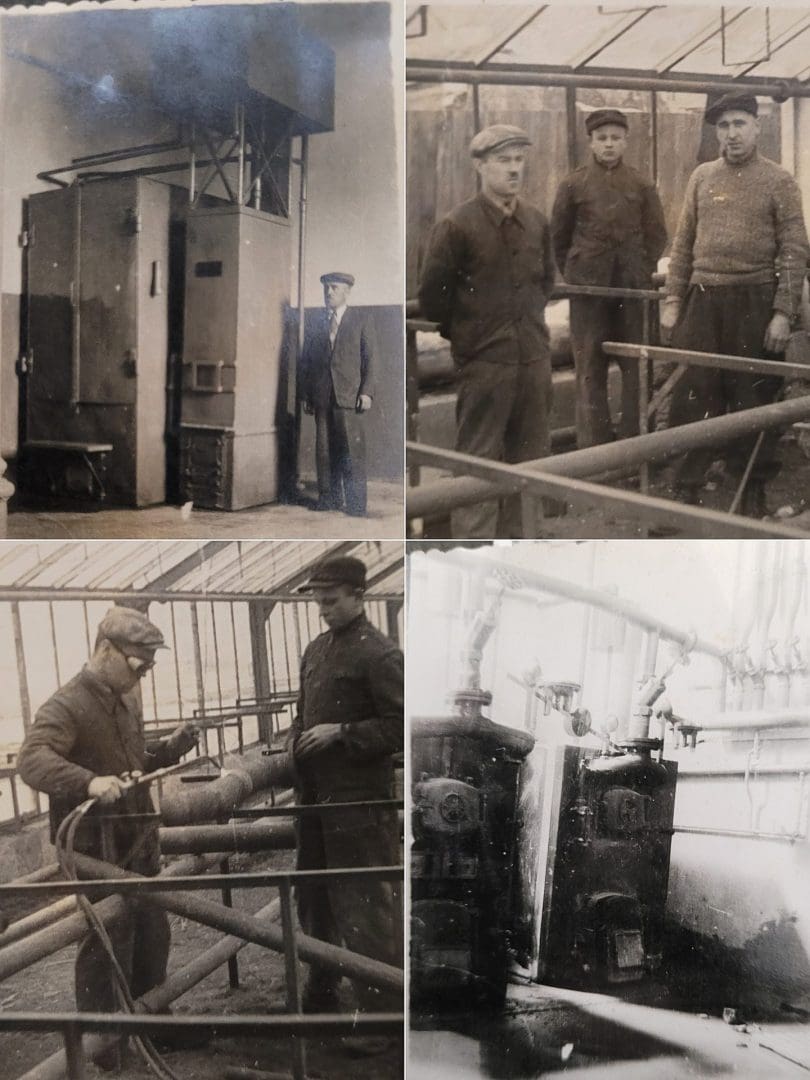
I believe my grandfather played a major role in my professional career, even though I never had the chance to meet him. Unfortunately, he passed away a few years before I was born, but he left behind many positive memories within the family, along with a workshop and a lot of tools. My grandfather was a welder, a plumber, and an entrepreneur who ran his own locksmithing and plumbing business. He was an exceptional man; he managed to open his company right after World War II, having learned the plumbing trade as a young boy during the war years.
He left behind a legacy of craftsmanship. As a teenager, browsing through family albums and seeing photos of him, I felt a deep fascination with his persona. I also had access to his tools—large pipe wrenches and such. All of this influenced me; I wanted to be like him. He was my inspiration. In the past, a plumber was also a welder—most installations wouldn’t have existed without gas welding.
When I was 15 or 16, my dad bought a welding machine, and that’s when I started learning stick welding (MMA). Even then, I knew I wanted to weld pipelines and large hydraulic systems because of my grandfather. Later, I chose a technical high school focused on Sanitary Equipment Technology. I had great success there, especially in vocational subjects, which further confirmed that the world of pipelines was for me. In short: family legacy, combined with self-teaching through the internet and YouTube as a young man, helped me get where I am today.
Which Weldas products have you used, and what are your experiences with them?
Weldas is a brand I’ve known well since the early years of my career. I really like the brand because of its wide range of products. I’ve used many types of gloves, but my favorites are the SOFTouch™ series. I particularly like the 10-1007 model because of its practicality. In my work, I do a lot of pipeline welding using a combination of TIG and MMA. I need gloves that provide high precision and “feel”—meaning they must be soft—but they also need to withstand higher welding currents and heavy spatter. This specific glove has soft leather on one side and more heat/spatter-resistant material on the back and cuff. This works perfectly for me, and the competitive price is a big plus.
I also like the 10-2850 gloves. They are excellent for MAG or heavy MMA welding. They provide incredible insulation against high temperatures and are very durable. Even without an aluminized shield, they protect against heat; I’ve tested them at high currents above 250A in MAG.
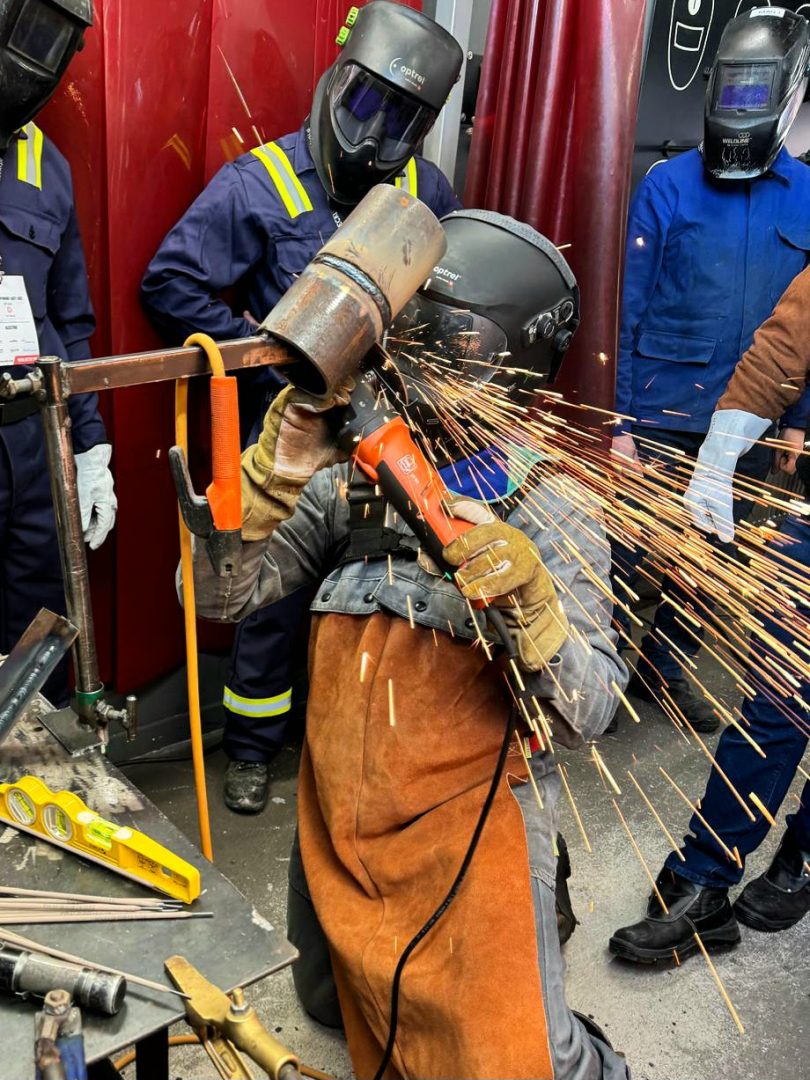
Regarding apparel, I have the most experience with the Arc Knight® series. For several years, I’ve regularly used the 38-4330 jacket and 38-4380 pants. I like this gear for its high resistance to spatter, the freedom of movement it allows, and its breathability. For the past four years, I worked in Italy where it was incredibly hot. Working in a full leather jacket would have been impossible—you’d just soak in sweat. I needed durable yet airy clothing, so the Arc Knight® series hit a bull’s eye. I also love the feature where you can attach a leather apron directly to the jacket. That “patent” is very practical and, in my opinion, much better than using a traditional apron with straps.
Are there any projects where Weldas products made a particular difference?
I think I partially answered that regarding the Arc Knight® series helping me during the heat of the Italian summer. I was doing a lot of stick welding, which produces significant spatter, so I needed gear as tough as leather but breathable.
I have another experience related to winter. Over four years ago, I worked on the Poland-Lithuania high-pressure gas pipeline. It was winter in the Podlasie region near the Belarusian border, and it was a truly harsh winter. Temperatures dropped below -20°C. The 23-7711 winter liner helped me immensely. It provides excellent protection against cold wind and low temperatures while remaining flame-retardant and protecting against sparks. I even bought one as a gift for a colleague who does a lot of assembly work in difficult weather, and he admitted that this hood often saves him from catching a cold.
What do you think is important in good welding clothing or accessories?
For me, two things are vital: the fabric’s resistance to welding spatter and the strength of the seams. How the clothes are sewn is crucial. You see this most often in pants—seams tend to rip in the crotch area. That is an issue manufacturers need to work on, and I always pay attention to how long the seams last compared to different brands.
Are there any innovations in welding that excite you?
I’m excited by the dynamic development of welding technology. We all see how the world is changing, and welding is no different. I decided to get certified in Laser Welding a year ago. Laser welding is the future; I have no doubt this technology will continue to grow. Another area is robotization. Welding robots are developing rapidly, with more technologies featuring AI-supported cameras that guide the robot during the process. I didn’t want to be left behind, so I’m starting a course to become a welding robot operator soon.
Do you have any tips for other welders considering Weldas products?
Above all, put your safety first. Welding isn’t just “playing around”—a welder is exposed to many dangerous factors. I know everyone wants to save money, but there are some things you shouldn’t skimp on. When it comes to welder protection, Weldas is a solid partner.